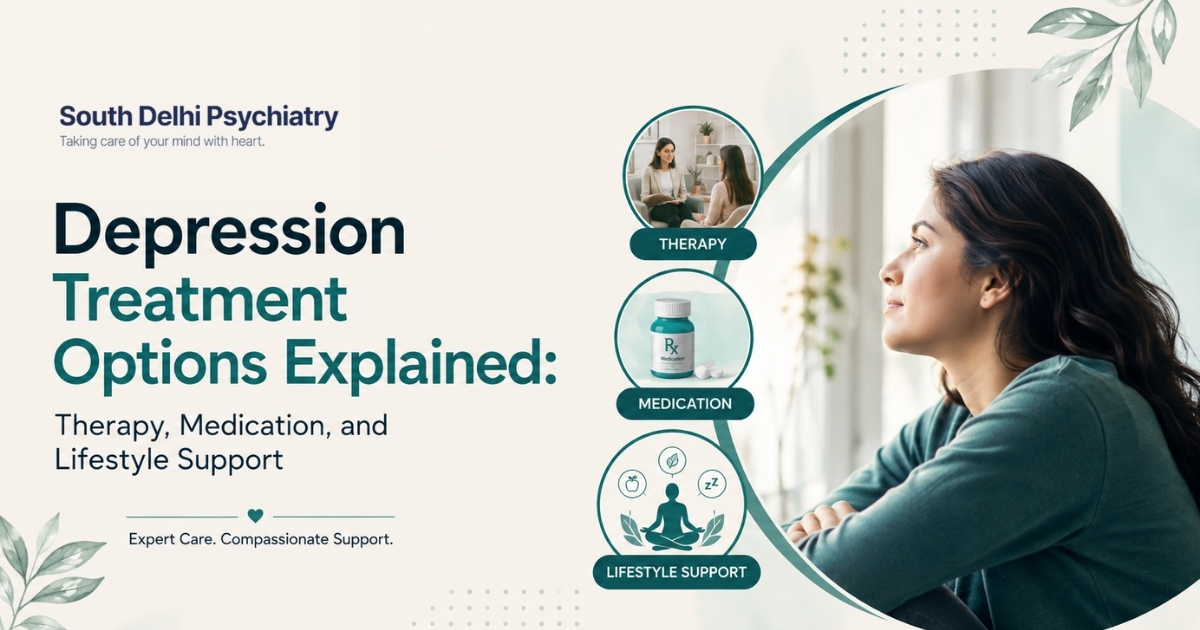
Depression rarely has one fix. What tends to work is a mix, talking therapy, sometimes medication, and daily habits that support recovery instead of quietly working against it. Getting a clearer picture of the full range of depression treatment options makes it easier to have an informed conversation with a mental health professional, rather than guessing at what might help.
What Does Effective Depression Treatment Actually Involve?
Effective depression treatment usually pairs evidence-based therapy such as CBT with medication where it’s clinically appropriate, plus lifestyle changes around sleep, movement and connection with people. Most people do best with a combination shaped around their own symptoms, not a single approach used in isolation.
Talking Therapy: Why CBT Treatment Is So Widely Recommended
CBT treatment, or cognitive behavioural therapy, is still one of the most studied and recommended approaches for depression. It works by getting people to notice unhelpful thought patterns and slowly shift the behaviours keeping low mood in place. Sessions tend to be structured and time-limited, built around actual skills rather than open-ended talking, which is why so many people find it a good fit.
Other therapy styles exist too, interpersonal therapy, behavioural activation, and a decent clinician matches the method to what’s genuinely driving someone’s depression instead of defaulting to whatever they usually do.
When Psychiatric Treatment and Medication Become Part of the Plan
For moderate to severe depression, psychiatric treatment often becomes a real part of the picture alongside therapy. A psychiatrist looks at whether antidepressant medication makes sense, weighing symptom severity, medical history and how much depression is disrupting daily life. Medication isn’t instant, it usually takes a few weeks to kick in, and getting the dose or type right can take some adjustment.
This part of treatment isn’t just about prescriptions either. Regular check-ins, watching for side effects, and tweaking the plan as someone improves matter just as much as the initial diagnosis.
Lifestyle Support That Actually Makes a Difference
Sleep, movement, food and having people around you genuinely shape mood; though none of this replaces professional treatment, it works best alongside it. Regular exercise, even something light, has decent evidence behind it for mild to moderate depression. Consistent sleep, easing off alcohol, and staying connected instead of isolating also tend to reinforce whatever therapy or medication is already doing its job.
Building a Treatment Plan That Fits the Person, Not a Template
The depression treatment plans that actually work are built around the person, not a fixed protocol handed out to everyone the same way. Some people do fine with therapy alone. Others need medication in the mix, and plenty benefit from both plus lifestyle changes on top. A proper psychiatric assessment is really the only reliable way to figure out which combination fits.
Key Takeaways
There’s no single “right” path through depression treatment, just the combination that genuinely fits someone’s symptoms, history and everyday life. Whether that turns out to be CBT treatment, medication through psychiatric treatment, lifestyle changes, or some mix of the three, getting a proper assessment first beats guessing alone. South Delhi Psychiatry offers personalised, evidence-based depression care in South Delhi for anyone ready to take that first step.
FAQs :
1. What is the most effective treatment for depression?
There isn’t really one “most effective” option, since depression treatment works best when it’s tailored to the person. For many, combining therapy, CBT in particular, with medication where appropriate ends up working better than either one alone.
2. How long does CBT treatment typically take to work?
Most people notice some shift within six to twelve weekly sessions, though this depends heavily on severity and how someone responds individually. CBT treatment is structured and goal-focused, so progress usually gets tracked session by session rather than left to chance.
3. Is medication always necessary for depression?
No, not automatically. It depends on how severe things are and individual circumstances. Mild depression sometimes responds well to therapy and lifestyle changes on their own, while moderate to severe cases more often need psychiatric treatment, including antidepressants alongside therapy, guided by proper assessment.
4. Can lifestyle changes alone treat depression?
For mild depression, yes, lifestyle changes like exercise, better sleep and staying socially connected can genuinely help. That said, they generally work better alongside professional support rather than replacing it outright, especially once things move into moderate or severe territory.
5. When should someone see a psychiatrist for depression?
It’s worth booking in with a psychiatrist once low mood sticks around past two weeks, starts affecting daily life, or hasn’t budged with self-help alone. A proper psychiatric assessment makes clear whether therapy, medication, or a combined approach fits best.