It is easy to confuse panic attacks with anxiety attacks because they can feel equally overwhelming. Both may cause intense fear, physical discomfort, and emotional distress, but they are not the same. Understanding the difference is important because the right anxiety disorder treatment depends on what is actually causing your symptoms. An accurate diagnosis allows mental health professionals to recommend care that addresses the root problem rather than simply managing the symptoms.
How Does Anxiety Disorder Treatment Change Based on Your Symptoms?
Anxiety disorder treatment is tailored to the individual’s diagnosis. Panic disorder usually requires focused treatment for sudden, recurring panic attacks, while anxiety disorders are managed by addressing persistent worry, stress, and behaviours that contribute to ongoing anxiety. A professional assessment ensures the treatment plan matches the condition.
Understanding the Difference Between Panic and Anxiety
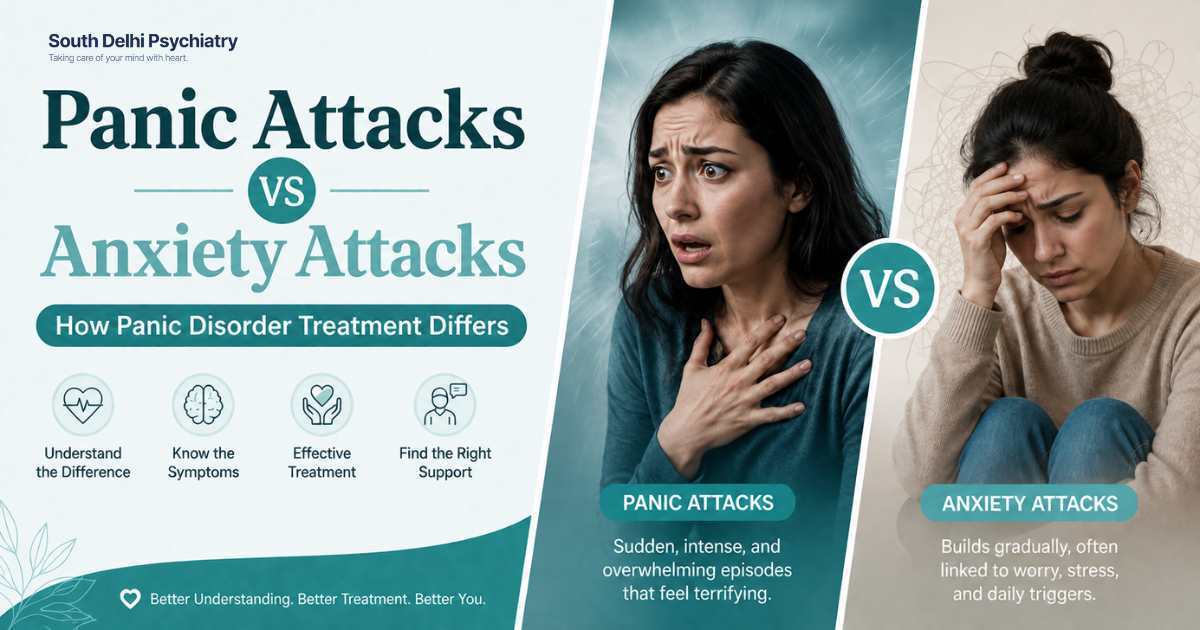
Although people often use the terms interchangeably, only panic attacks are recognised as part of a clinically diagnosed panic disorder. Anxiety attacks, on the other hand, describe a gradual increase in anxious feelings rather than a separate medical diagnosis.
A panic attack usually appears without much warning. Within minutes, a person may experience a racing heart, breathlessness, dizziness, sweating, trembling, chest discomfort, or an overwhelming fear that something terrible is about to happen. The episode is intense but generally short-lived.
Anxiety tends to build more gradually. It is often linked to ongoing stress, work pressure, health concerns, finances, or personal relationships. Instead of peaking suddenly, anxiety may remain for hours or even days, affecting concentration, sleep, mood, and overall wellbeing.
Recognising these differences helps ensure people receive the right support rather than assuming every episode of fear requires the same approach.
When Is Panic Disorder Treatment Necessary?
Experiencing one panic attack does not automatically mean someone has panic disorder. However, if panic attacks become frequent or create a constant fear of having another episode, professional treatment is recommended.
People may begin avoiding shopping centres, public transport, crowded places, or even leaving home because they worry another attack could occur. Over time, this avoidance can interfere with work, education, relationships, and everyday life.
Panic disorder treatment often combines evidence-based psychological therapy with lifestyle changes and, where clinically appropriate, medication prescribed by a psychiatrist. Cognitive Behavioural Therapy (CBT) remains one of the most effective therapies because it helps people understand how thoughts, emotions, and behaviours contribute to panic symptoms while developing healthier coping strategies.
Finding the Right Support Early Matters
Both panic disorder and anxiety disorders are highly treatable when recognised early. The first step is obtaining a proper assessment rather than self-diagnosing based on information found online.
A psychiatrist will evaluate your symptoms, medical history, possible triggers, and overall mental health before recommending a personalised treatment plan. This approach also helps rule out physical conditions that can sometimes produce symptoms similar to panic attacks.
If you are considering anxiety treatment South Delhi, choosing an experienced mental health professional can make a significant difference. Treatment may include psychological therapy, stress management techniques, mindfulness practices, lifestyle recommendations, and medication where necessary. The goal is not simply to reduce symptoms but to help individuals regain confidence and return to their normal daily lives.
Closing Insights
While panic attacks and anxiety attacks may appear similar, understanding the distinction is essential for receiving the right care. An effective anxiety disorder treatment plan is always based on an accurate diagnosis, individual symptoms, and evidence-based clinical recommendations. Seeking professional help early can prevent symptoms from becoming more disruptive and improve long-term wellbeing. If you are experiencing persistent anxiety or recurring panic attacks, South Delhi Psychiatry offers comprehensive psychiatric assessments and personalised treatment plans designed to support lasting mental wellness.
Frequently Asked Questions
1. Can panic attacks happen without having an anxiety disorder?
Yes. A person can experience an isolated panic attack without being diagnosed with an anxiety disorder. However, recurring unexpected episodes accompanied by fear of future attacks should be evaluated by a psychiatrist, as panic disorder treatment may be required to prevent symptoms from affecting everyday life.
2. Is anxiety disorder treatment the same for everyone?
No. Anxiety disorder treatment is always personalised because symptoms, triggers, and severity vary from one individual to another. Treatment may involve psychological therapy, lifestyle modifications, stress management techniques, and medication where clinically appropriate, following a comprehensive psychiatric assessment and diagnosis.
3. When should I seek professional help for anxiety?
If anxiety begins affecting your work, studies, sleep, relationships, or daily routine, it is advisable to consult a psychiatrist. People seeking anxiety treatment in South Delhi should not wait until symptoms become severe, as early intervention often leads to better long-term outcomes and improved quality of life.
4. Can lifestyle changes help reduce panic and anxiety symptoms?
Healthy habits such as regular exercise, adequate sleep, balanced nutrition, mindfulness, and relaxation techniques can support recovery. While these measures improve emotional wellbeing, they work best alongside professional treatment when symptoms are persistent, severe, or interfere with normal daily functioning.
5. How is panic disorder diagnosed?
There is no single laboratory test for panic disorder. A psychiatrist diagnoses the condition through a detailed clinical evaluation, symptom history, and assessment of physical and mental health. Identifying the correct diagnosis ensures the most appropriate treatment plan and long-term symptom management.