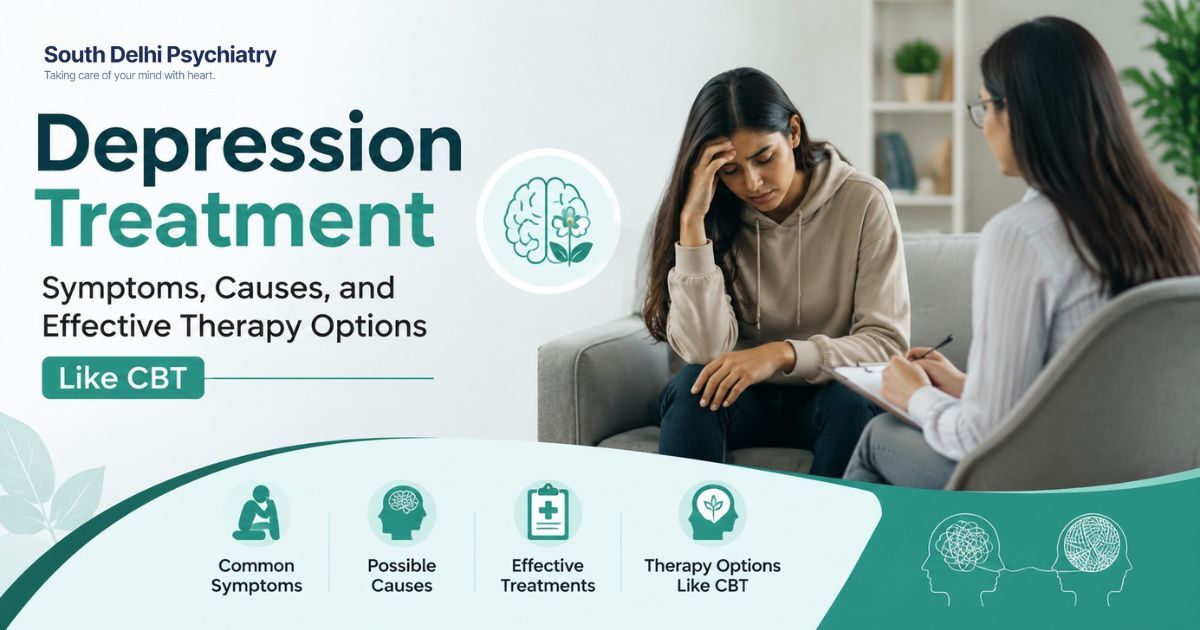
Depression is more than occasional sadness or feeling low. It is a recognised mental health condition that can affect thoughts, emotions, physical wellbeing, relationships, and daily functioning. When symptoms persist for weeks and interfere with work, education, or personal life, seeking professional help is essential. Accessing timely depression treatment in South Delhi allows individuals to receive an accurate diagnosis and an evidence-based treatment plan tailored to their needs. Early intervention can significantly improve recovery, helping people regain emotional balance and enhance their overall quality of life.
When Should You Seek Depression Treatment in South Delhi? Recognising the Signs Early
Professional assessment is recommended if persistent low mood, loss of interest, fatigue, sleep disturbances, or feelings of hopelessness continue for two weeks or longer. Early diagnosis and appropriate treatment improve recovery outcomes and reduce the risk of symptoms becoming more severe or long-lasting.
Understanding the Symptoms of Depression
Depression presents differently from one person to another, but several symptoms are commonly recognised by mental health professionals. These include:
- Persistent sadness, emptiness, or low mood
- Loss of interest in previously enjoyable activities
- Changes in appetite or body weight
- Difficulty sleeping or excessive sleeping
- Fatigue or reduced energy
- Poor concentration or indecisiveness
- Feelings of guilt, worthlessness, or hopelessness
- Thoughts of self-harm or suicide, which require immediate professional support
Experiencing one or two symptoms occasionally does not necessarily indicate depression. However, persistent symptoms that interfere with daily life should be evaluated by a qualified mental health professional.
Common Causes and Risk Factors
Depression rarely results from a single cause. Instead, it usually develops through a combination of biological, psychological, and environmental factors.
Genetic predisposition, changes in brain chemistry, chronic medical conditions, traumatic experiences, prolonged stress, financial difficulties, relationship challenges, and major life transitions may all contribute to the development of depression. Identifying these contributing factors helps clinicians recommend the most appropriate treatment approach.
Effective Therapy Options
Treatment depends on symptom severity, personal circumstances, and clinical assessment. Many individuals benefit from a combination of psychotherapy, lifestyle modifications, and medication when appropriate.
One of the most widely recommended psychological treatments is Cognitive Behavioural Therapy (CBT) for depression. CBT helps individuals identify unhelpful thought patterns, challenge negative beliefs, and develop healthier coping strategies. Numerous clinical guidelines support CBT as an effective treatment for mild, moderate, and many cases of severe depression when delivered by qualified professionals.
Medication may also be recommended for some individuals, particularly when symptoms are moderate to severe or significantly impair daily functioning. Any medication should be prescribed and monitored by a qualified psychiatrist.
Why Early Professional Support Matters
Seeking professional help early reduces the likelihood of symptoms worsening and supports faster recovery. Mental health professionals conduct comprehensive assessments to determine whether depression or another condition may be contributing to emotional difficulties.
Professional Depression counselling in South Delhi also provides a confidential environment where individuals can explore emotional challenges, develop practical coping skills, improve resilience, and work towards sustainable recovery.
Supporting Recovery Beyond Therapy
Successful depression management often extends beyond clinical treatment. Maintaining regular sleep, engaging in physical activity, eating a balanced diet, staying socially connected, and practising stress-management techniques can complement professional care.
Following the recommended treatment plan and attending regular follow-up appointments are equally important for long-term improvement.
The Takeaway
Depression is a treatable mental health condition, and seeking help is a positive step towards recovery rather than a sign of weakness. Accessing depression treatment in South Delhi enables individuals to receive personalised, evidence-based care that addresses both symptoms and underlying causes. With timely intervention, many people experience significant improvement in their emotional wellbeing and daily functioning. South Delhi Psychiatry provides comprehensive psychiatric assessment, psychotherapy, and ongoing support, helping individuals achieve lasting recovery through compassionate and scientifically informed mental healthcare.