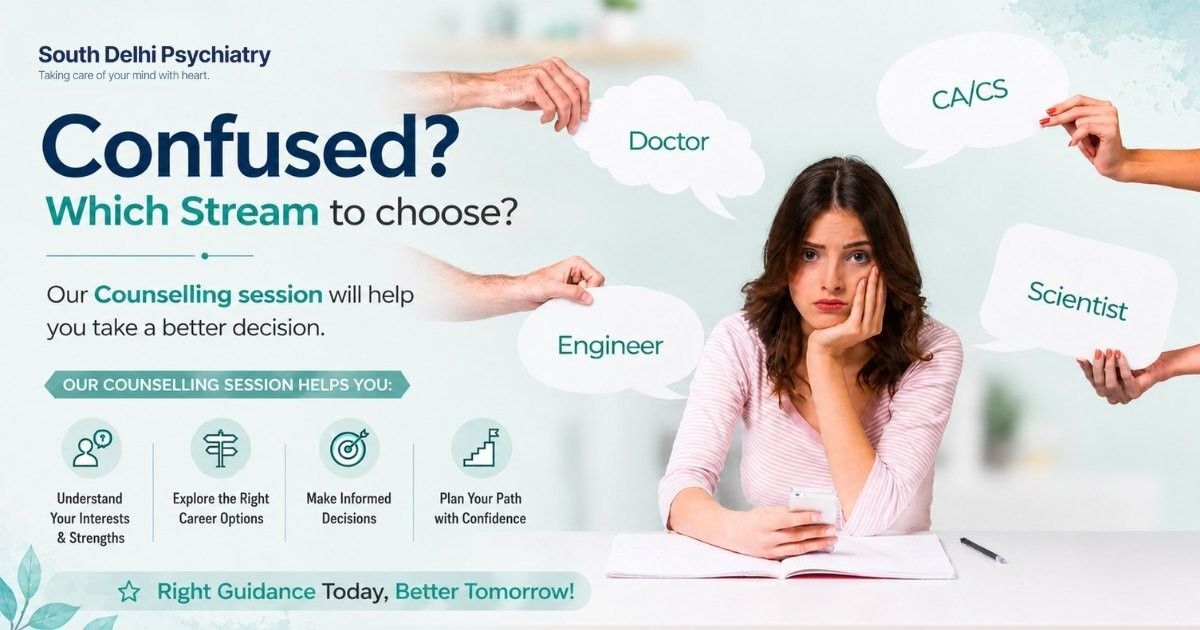
Choosing the right career path has become increasingly complex in today’s fast-changing job market. With countless educational options, emerging industries, and evolving skill requirements, many students and professionals find themselves uncertain about their next step. Career confusion can lead to stress, self-doubt, and delayed decision-making, affecting both personal and professional growth.
This is where professional Career Counselling plays a valuable role. By combining psychological assessment, individual strengths analysis, and expert guidance, career counselling helps individuals make informed choices aligned with their interests, abilities, and long-term goals. Rather than relying on assumptions or external pressure, individuals gain clarity through a structured and evidence-based process.
Professional Career Planning and Career Counselling Support Better Decision-Making
Professional Career Counselling helps individuals identify their strengths, interests, values, and suitable career options through expert assessment and personalised guidance. This structured approach reduces uncertainty, improves confidence, and supports informed career decisions that align with current market opportunities.
Understanding the Root Causes of Career Confusion
Career uncertainty often stems from multiple factors. Some individuals struggle because they have too many options, while others feel pressure from family expectations, peer influence, or societal standards. In some cases, a lack of self-awareness about skills and interests makes decision-making difficult.
Additionally, rapid technological advancements have transformed many industries, creating new career opportunities while making traditional career paths less predictable. Without professional support, navigating these changes can feel overwhelming.
How Professional Career Counselling Works
A qualified career counsellor follows a systematic process to understand an individual’s strengths, personality traits, aspirations, and challenges. This may include interviews, psychometric assessments, aptitude evaluations, and goal-setting exercises.
The objective is not to choose a career on behalf of the individual but to provide the insights and tools needed to make an informed decision. This personalised approach helps individuals gain confidence in their choices while understanding the practical realities of different career paths.
The Importance of Career Guidance in Today’s Employment Landscape
Effective Career Guidance goes beyond simply recommending professions. It helps individuals understand industry trends, educational requirements, skill gaps, and future growth opportunities.
As employers increasingly prioritise adaptability, digital literacy, and specialised skills, understanding the connection between personal strengths and market demand becomes essential. Career guidance provides this perspective, helping individuals create realistic and achievable career plans.
Building Confidence Through Self-Awareness
One of the most significant benefits of professional counselling is increased self-awareness. Many people underestimate their abilities or overlook strengths that could contribute to career success.
Through structured assessments and expert feedback, individuals gain a clearer understanding of their capabilities. This self-knowledge reduces indecision and enables more confident career planning. When people understand why a particular path suits them, they are more likely to commit to it with confidence.
When Mental Wellbeing Influences Career Decisions
Career-related stress, anxiety, and uncertainty can sometimes impact overall mental wellbeing. In such situations, support from a qualified mental health professional may be beneficial alongside career counselling.
Consulting a psychiatrist in South Delhi can help individuals address emotional challenges that may be affecting decision-making, concentration, confidence, or motivation. A balanced approach that considers both career aspirations and psychological wellbeing often leads to more sustainable outcomes.
The Takeaway
Career confusion is common, but it does not have to define your future. Professional Career Counselling provides the structure, expertise, and personalised insights needed to navigate complex career decisions with greater confidence. By understanding your strengths, exploring realistic opportunities, and addressing potential barriers, you can move forward with clarity and purpose. For individuals seeking comprehensive mental health and counselling support, South Delhi Psychiatry offers professional guidance designed to help people make informed decisions and achieve their personal and professional goals.
FAQs
1. How do I know if I need professional career counselling?
If you feel uncertain about your educational choices, career direction, or future goals despite researching options, professional Career Counselling may help. It provides structured assessments and personalised insights that can clarify your strengths, interests, and suitable career opportunities more effectively.
2. Can career counselling help working professionals change careers?
Yes. Career counselling is beneficial not only for students but also for professionals considering career transitions. It helps evaluate transferable skills, identify emerging opportunities, assess personal interests, and develop practical strategies for successfully moving into a new professional field.
3. What is the difference between career guidance and career counselling?
Career Guidance generally focuses on providing information about educational pathways, industries, and occupations. Career counselling takes a more personalised approach by assessing individual strengths, interests, values, and challenges to support informed and confident career decision-making based on personal circumstances.
4. Are aptitude tests important during career counselling?
Aptitude assessments can provide valuable insights into an individual’s natural abilities and strengths. While they are not the sole basis for recommendations, they often complement Career Counselling by helping identify career options that align with a person’s capabilities and long-term potential.
5. Can mental health affect career decision-making?
Yes. Stress, anxiety, low confidence, and emotional difficulties can significantly influence decision-making. Seeking support from a qualified psychiatrist in South Delhi alongside career counselling may help individuals address underlying concerns, improve clarity, and make more balanced and informed career choices.