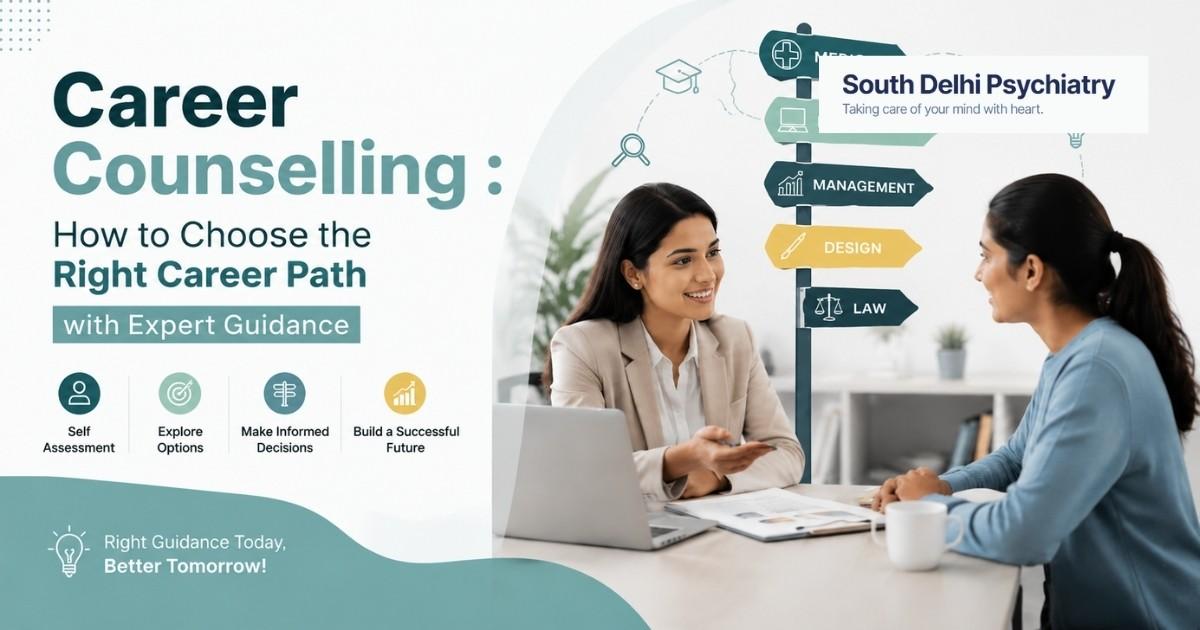
Choosing a career is one of the most important decisions in life, yet many students and young professionals feel uncertain about which path suits them best. Rapid changes in industries, emerging job roles, and evolving skill requirements can make career decisions more complex than ever. This is where Career Counselling becomes valuable. Professional guidance helps individuals understand their strengths, interests, aptitude, and long-term goals, enabling them to make informed decisions rather than relying on assumptions or external pressure.
How Career Guidance Helps You Make Better Career Decisions
Professional career experts use structured assessments, individual discussions, and industry insights to help students and professionals identify suitable career options. By understanding personal strengths, interests, and future opportunities, individuals can choose educational and career pathways that align with their potential and long-term aspirations.
Why Career Choices Have Become More Challenging
Today’s job market offers significantly more opportunities than previous generations experienced. Alongside traditional careers in medicine, engineering, law, and finance, new fields such as artificial intelligence, data analytics, digital marketing, cybersecurity, sustainability, and creative technologies continue to grow.
While having more options is beneficial, it can also create confusion. Students often struggle to determine whether their interests match their abilities or whether a chosen career will provide future growth. ProfeMany people choose careers based on family essional guidance helps simplify these decisions through evidence-based evaluation rather than guesswork.
The Importance of Expert Career Assessment
xpectations, peer influence, or perceived job popularity. However, successful career planning requires a deeper understanding of individual capabilities and preferences.
A professionally administered Psychometric Career Assessment evaluates multiple factors, including aptitude, personality traits, interests, behavioural tendencies, and learning styles. These scientifically validated tools provide objective insights that help identify career paths where individuals are more likely to perform well and remain engaged over the long term.
Such assessments are particularly beneficial for students selecting subject streams, graduates exploring higher education options, and professionals considering career transitions.
Benefits of Seeking Career Guidance in South Delhi
Access to expert Career Guidance in South Delhi provides students and families with personalised support throughout the decision-making process. Experienced counsellors can help individuals:
- Identify strengths, interests, and skill gaps.
- Explore suitable academic and professional pathways.
- Understand current industry trends and future opportunities.
- Set realistic short-term and long-term career goals.
- Build confidence in career-related decisions.
Rather than focusing solely on academic performance, modern career counselling considers the complete individual, leading to more balanced and sustainable career choices.
What Happens During a Career Counselling Session?
A comprehensive counselling process typically begins with understanding the individual’s educational background, aspirations, concerns, and personal interests. This may be followed by structured assessments and one-to-one consultations.
Counsellors analyse assessment results, discuss potential career pathways, and provide actionable recommendations. They may also guide students regarding subject selection, university courses, skill development, and emerging career opportunities. The objective is to create a clear roadmap tailored to the individual’s unique profile.
Choosing the Right Career Counsellor
When selecting a career counsellor, it is important to consider qualifications, experience, assessment methodologies, and the ability to provide personalised recommendations. Reputable professionals rely on validated assessment tools and current labour market insights rather than generic advice.
Parents and students should look for counsellors who adopt a holistic approach, ensuring that career recommendations align with both personal strengths and future employability trends.
The Takeaway
Career decisions should be guided by self-awareness, accurate information, and professional expertise. Effective Career Counselling helps individuals make informed choices that support both personal fulfilment and long-term professional success. For those seeking structured assessments and expert support, South Delhi Psychiatry offers professional counselling services designed to help students and professionals navigate career decisions with greater clarity, confidence, and direction.
FAQs
1. What is career counselling and who should consider it?
Career Counselling is a structured process that helps individuals understand their strengths, interests, personality traits, and career options. It is beneficial for students choosing subjects, graduates exploring future opportunities, and professionals considering career changes or seeking greater clarity about long-term career goals.
2. How accurate are psychometric career assessments?
A professionally conducted Psychometric Career Assessment uses scientifically validated tools to evaluate aptitude, interests, personality, and behavioural preferences. While no assessment can predict success with absolute certainty, it provides reliable insights that support informed decision-making and reduce uncertainty during career planning.
3. At what age should students seek career guidance?
Students can benefit from Career Guidance in South Delhi as early as secondary school when making subject selections. Early guidance helps align educational choices with future career aspirations, allowing sufficient time for skill development, academic planning, and informed decision-making throughout their educational journey.
4. Can career counselling help professionals who want to change careers?
Yes. Career counselling is valuable for working professionals considering a career transition. Counsellors evaluate transferable skills, interests, industry opportunities, and personal goals to identify suitable alternatives. This structured approach helps minimise risks and supports a smoother, more strategic career change process.
5. What should I expect during my first career counselling session?
The first session typically involves discussing educational background, interests, career concerns, aspirations, and strengths. Counsellors may recommend assessments and gather relevant information to create personalised recommendations. The goal is to establish a clear understanding of the individual’s profile before developing a career roadmap.