Depression is one of the most common mental health conditions affecting individuals across different age groups and lifestyles. From persistent sadness and low motivation to sleep disturbances and emotional exhaustion, depression can significantly impact personal, social, and professional life. As awareness around mental health continues to grow, more people are now actively seeking reliable and evidence-based depression treatment in South Delhi to improve emotional well-being and regain stability.
Depression Treatment in South Delhi: When to Seek Help
Depression treatment usually involves a combination of psychiatric evaluation, therapy, lifestyle management, and medication when required. Early intervention from qualified mental health professionals can improve recovery outcomes, reduce symptom severity, and help individuals manage emotional health more effectively over the long term.
Depression is not simply temporary sadness or stress. Clinical depression can affect concentration, appetite, sleep patterns, confidence, and daily functioning. In many cases, symptoms gradually intensify, making a timely diagnosis essential for effective recovery.
Common Signs and Symptoms of Depression
People experiencing depression may notice persistent fatigue, emotional numbness, irritability, hopelessness, or reduced interest in previously enjoyable activities. Some individuals also experience difficulty concentrating, social withdrawal, and physical symptoms such as headaches or unexplained body pain.
Recognising these warning signs early can help individuals access support before symptoms become more severe. Mental health professionals generally evaluate emotional patterns, behavioural changes, medical history, and lifestyle factors before recommending a treatment plan.
Role of a Psychiatrist in Managing Depression
A qualified Psychiatrist in South Delhi plays a critical role in diagnosing and treating depression through structured clinical assessment and evidence-based care. Psychiatrists are trained to identify the severity of symptoms, rule out related conditions, and recommend appropriate therapeutic interventions.
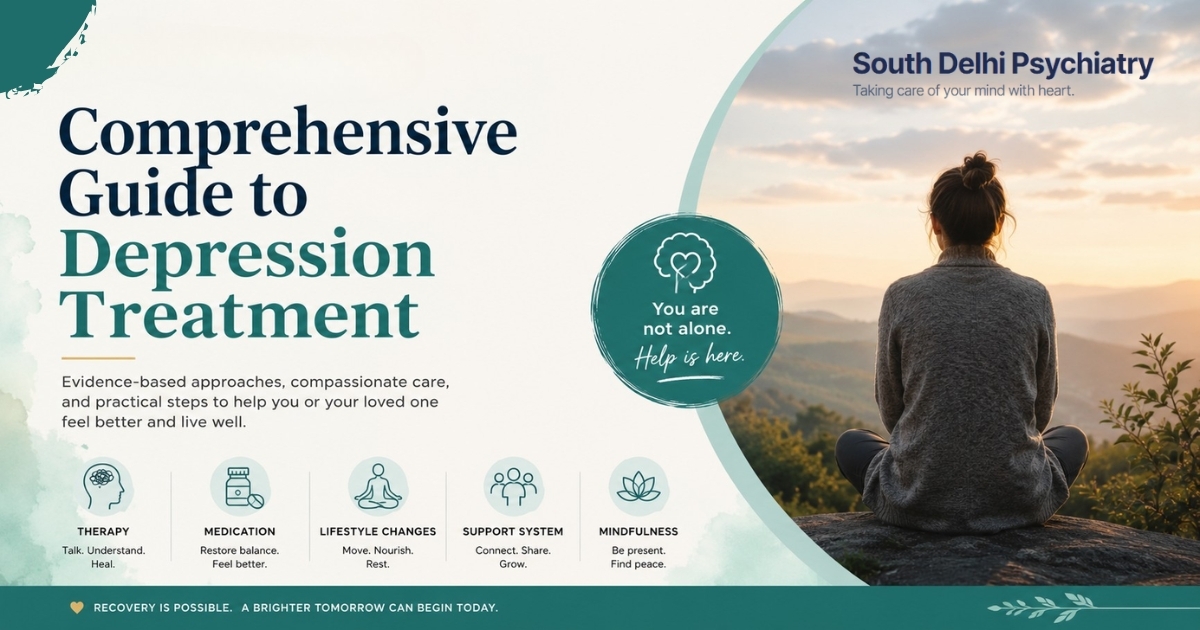
Treatment approaches may include psychotherapy, cognitive behavioural therapy, stress management techniques, medication, or a combination of multiple methods, depending on the individual’s condition. Regular follow-ups are equally important to monitor progress and adjust treatment strategies when necessary.
Importance of Personalised Mental Healthcare
Mental health treatment is highly individualised because emotional experiences and triggers vary from person to person. A professional mental healthcare clinic in South Delhi generally focuses on creating customised treatment plans based on emotional, behavioural, social, and medical factors.
Supportive counselling and structured therapy sessions often help patients understand emotional patterns and develop healthier coping mechanisms. In addition to medical treatment, lifestyle modifications such as improved sleep, exercise, nutrition, and stress management contribute significantly to long-term recovery.
Why Early Treatment Improves Recovery Outcomes
Early intervention remains one of the most important aspects of depression management. Delaying treatment may increase emotional distress and affect relationships, work performance, and physical health. Seeking professional guidance at an early stage often improves treatment effectiveness and reduces the risk of recurring symptoms.
Today, modern psychiatric care also focuses on reducing stigma associated with mental health support. Confidential consultations, patient-centred communication, and integrated therapy approaches help individuals feel more comfortable discussing emotional concerns openly.
Choosing the Right Mental Health Specialist
Selecting the best Psychiatrist in South Delhi involves evaluating professional experience, treatment approach, patient reviews, and communication style. A trusted mental health specialist prioritises empathy, accurate diagnosis, ethical care, and consistent follow-up support throughout the recovery process.
Patients should also consider accessibility, confidentiality standards, and the availability of multidisciplinary mental healthcare services when choosing a clinic for long-term treatment support.
Closing Insights
Managing depression requires timely diagnosis, professional guidance, and a structured treatment approach tailored to individual emotional needs. With growing awareness around mental well-being, access to experienced psychiatric care has become increasingly important for long-term recovery and emotional balance. Among the recognised names providing depression treatment in South Delhi and comprehensive mental health support, South Delhi Psychiatry is known for its patient-focused approach, evidence-based treatment methods, and commitment to personalised psychiatric care.
FAQs
1. When should someone seek depression treatment?
Individuals should seek professional help if sadness, anxiety, fatigue, or emotional distress persist for several weeks and interfere with daily life. Early depression treatment in South Delhi can help manage symptoms more effectively, improve emotional stability, and reduce the likelihood of long-term mental health complications affecting relationships or work performance.
2. What does a psychiatrist do during depression treatment?
A psychiatrist evaluates emotional symptoms, behavioural patterns, medical history, and lifestyle factors before creating a treatment plan. A qualified Psychiatrist in South Delhi may recommend therapy, medication, stress management strategies, or combined approaches depending on symptom severity and the patient’s overall emotional and psychological condition.
3. Can depression be treated without medication?
Yes, mild to moderate depression may sometimes improve through psychotherapy, counselling, behavioural therapy, lifestyle modifications, and stress management techniques. However, treatment depends on symptom severity and individual needs. A mental health professional can determine whether medication is necessary as part of a personalised recovery and management strategy.
4. How long does depression treatment usually take?
The duration of treatment varies based on symptom severity, emotional triggers, and individual response to therapy. Some individuals improve within a few months, while others may require longer-term support. Consistent therapy sessions, follow-up consultations, and lifestyle improvements often contribute positively to long-term emotional recovery and mental stability.
5. How do I choose the best psychiatrist for depression care?
Choosing the best Psychiatrist in South Delhi involves reviewing qualifications, clinical experience, patient feedback, communication approach, and treatment methods. Patients should also consider confidentiality standards, accessibility, and the availability of integrated therapy services to ensure consistent, personalised, and evidence-based mental healthcare support throughout the treatment process.