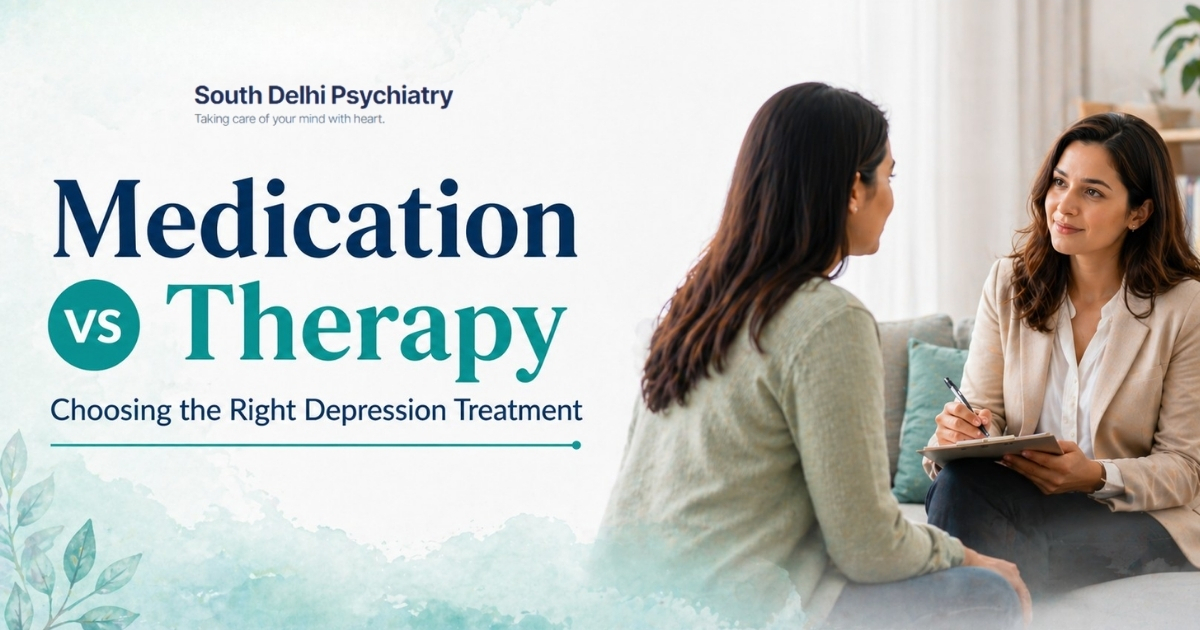
Depression is a complex mental health condition that affects emotional, physical, and social well-being. Choosing the right approach – medication, therapy, or a combination of both – is essential for effective recovery. When seeking depression treatment in South Delhi, understanding how each option works can help individuals make informed, personalised decisions based on their symptoms, lifestyle, and medical history.
Medication or Therapy for Depression: Which Option Works Best for Long-Term Recovery?
Both medication and therapy are effective treatments for depression, but the right choice depends on the severity and individual needs. Therapy addresses underlying emotional patterns, while medication helps regulate brain chemistry. In many cases, a combined approach delivers the most sustainable and balanced recovery outcomes.
Understanding Depression and Its Treatment Needs
Depression is not a one-size-fits-all condition. It varies in severity, duration, and underlying causes. Some individuals may experience mild symptoms triggered by life events, while others may face chronic or severe depression requiring clinical intervention. Consulting a qualified psychiatrist in South Delhi ensures an accurate diagnosis and a tailored treatment plan. Professional evaluation is essential to determine whether medication, therapy, or a combination is most appropriate.
How Medication Helps in Treating Depression
Medication, particularly antidepressants, works by balancing neurotransmitters in the brain such as serotonin and dopamine. These chemicals influence mood, sleep, and emotional stability.
Benefits of Medication:
- Provides relief from severe symptoms
- Helps stabilise mood and energy levels
- Supports individuals unable to function due to depression
However, medication may take a few weeks to show results and should always be taken under medical supervision. Regular follow-ups are necessary to monitor effectiveness and adjust dosage if needed.
The Role of Therapy in Emotional Healing
Therapy focuses on addressing the psychological and behavioural aspects of depression. It helps individuals understand thought patterns, manage stress, and develop coping strategies.
Common Types of Therapy:
- Cognitive Behavioural Therapy (CBT)
- Interpersonal Therapy (IPT)
- Psychodynamic Therapy
Working with the best psychiatrist in South Delhi or a trained therapist ensures structured sessions that promote long-term emotional resilience and self-awareness.
Medication vs Therapy: Key Differences
While both approaches are effective, they serve different purposes:
- Medication targets biological factors and provides symptom relief
- Therapy addresses emotional triggers and behavioural patterns
- Medication may offer quicker relief in severe cases
- Therapy provides long-term coping mechanisms
For many patients, a combined approach is recommended to address both the biological and psychological aspects of depression.
When is Combination Treatment Recommended?
In moderate to severe cases, combining medication and therapy often yields the best results. Medication helps stabilise symptoms, making it easier for individuals to engage in therapy effectively.
Combination treatment is particularly beneficial for:
- Chronic depression
- Recurring episodes
- Individuals with co-existing mental health conditions
A professional assessment ensures the treatment plan evolves based on progress and changing needs.
Factors to Consider When Choosing a Treatment
Selecting the right treatment depends on several factors:
- Severity of symptoms
- Personal preferences and comfort level
- Medical history and existing conditions
- Accessibility to mental health services
- Lifestyle and daily responsibilities
Seeking expert guidance ensures that treatment decisions are safe, effective, and aligned with individual goals.
Importance of Professional Guidance
Self-diagnosis or delaying treatment can worsen symptoms over time. Early intervention improves recovery outcomes and reduces the risk of complications.
Mental health professionals provide structured care, ongoing support, and evidence-based treatments. They also ensure that patients feel heard, supported, and guided throughout their recovery journey.
Key Takeaways
Choosing between medication and therapy is not about selecting one over the other – it is about finding what works best for you. Effective depression treatment in South Delhi involves a personalised approach that considers both emotional and biological factors. Clinics like South Delhi Psychiatry offer comprehensive care, combining medical expertise with therapeutic support to help individuals achieve lasting mental wellness and improved quality of life.
FAQs
1. What is the best treatment for depression in South Delhi?
The best treatment depends on individual needs, severity, and medical history. Depression treatment in South Delhi often includes therapy, medication, or a combination of both. Consulting a qualified professional ensures a personalised approach that addresses both emotional and biological aspects effectively.
2. Should I choose therapy or medication for depression?
The choice depends on your symptoms and preferences. Therapy is ideal for addressing emotional patterns, while medication helps manage severe symptoms. Many individuals benefit from combining both approaches for balanced and long-term recovery under professional supervision.
3. How do I find a good psychiatrist in South Delhi?
Look for qualifications, experience, patient reviews, and treatment approach. A trusted psychiatrist in South Delhi will provide a thorough evaluation and customise treatment plans based on your condition, ensuring safe and effective care tailored to your mental health needs.
4. How long does depression treatment usually take?
Treatment duration varies depending on severity and response to therapy or medication. Some individuals improve within a few months, while others may require longer care. Consistency, follow-ups, and adherence to treatment plans play a crucial role in recovery outcomes.
5. Can depression be treated without medication?
Yes, mild to moderate depression can often be managed with therapy alone. However, severe cases may require medication. Consulting the best psychiatrist in South Delhi helps determine the most suitable treatment plan, ensuring safe and effective recovery based on individual needs.