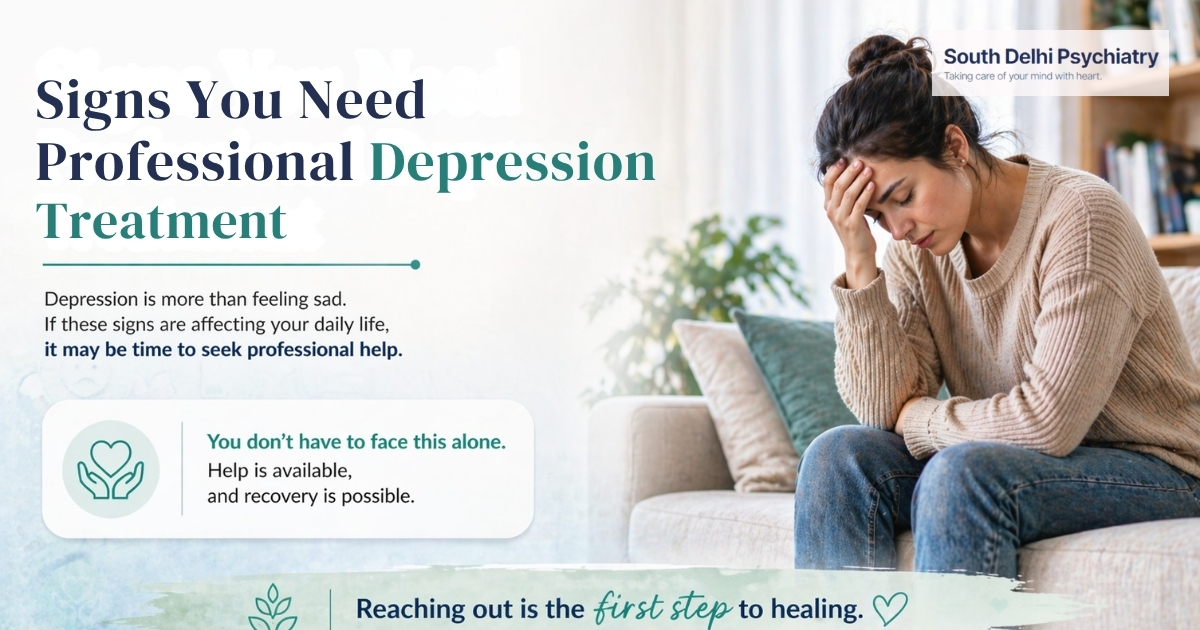
Depression is more than just feeling low or having a bad day – it is a serious mental health condition that affects how you think, feel, and function daily. Recognising when to seek depression treatment in South Delhi can make a significant difference in recovery and overall well-being. Early intervention not only improves outcomes but also helps prevent symptoms from worsening over time.
When to Seek Depression Treatment in South Delhi for Lasting Relief
If symptoms such as persistent sadness, loss of interest, fatigue, or difficulty concentrating last for more than two weeks and interfere with daily life, it is time to consider depression treatment in South Delhi. Consulting a qualified professional ensures accurate diagnosis, personalised care, and effective recovery support.
Understanding Depression Beyond Mood Swings
Depression is a clinically recognised mental health condition that affects emotional, physical, and cognitive functioning. It is not simply a phase or weakness but a condition that requires proper attention and care.
People experiencing depression may feel overwhelmed, disconnected, or unable to find motivation in activities they once enjoyed. Without timely intervention, symptoms can gradually impact relationships, work performance, and physical health.
Common Signs You Should Not Ignore
Identifying the early warning signs can help you seek timely help. Some of the most common indicators include:
1. Persistent Low Mood
Feeling sad, empty, or hopeless most of the day for weeks is one of the primary symptoms of depression.
2. Loss of Interest in Activities
A noticeable lack of interest in hobbies, social interactions, or daily routines can indicate a deeper issue.
3. Changes in Sleep Patterns
Insomnia or excessive sleeping can both be signs of depression affecting your mental balance.
4. Fatigue and Low Energy
Constant tiredness, even after adequate rest, may suggest underlying mental health concerns.
5. Difficulty Concentrating
Struggling to focus, make decisions, or complete tasks can impact both personal and professional life.
6. Appetite Changes
Significant weight loss or gain without any clear reason may be linked to emotional health issues.
When Symptoms Begin to Affect Daily Life
Depression becomes more serious when it interferes with everyday functioning. Missing work, avoiding social interactions, or feeling unable to manage responsibilities are clear signs that professional help is needed.
At this stage, consulting a psychiatrist in South Delhi can provide clarity and structured treatment. Mental health professionals assess the severity of symptoms and recommend appropriate therapies, which may include counselling, medication, or a combination of both.
Why Professional Help Matters
Seeking help from the best psychiatrist in South Delhi ensures that you receive evidence-based treatment tailored to your needs. Depression is highly treatable, but the approach must be personalised.
Professional treatment offers:
- Accurate diagnosis and assessment
- Structured therapy sessions
- Medication management if required
- Ongoing monitoring and support
Early and consistent treatment can significantly improve quality of life and help individuals regain control over their mental health.
Modern Approaches to Depression Treatment
Today’s mental health care focuses on holistic and patient-centred approaches. Cognitive behavioural therapy (CBT), lifestyle modifications, and stress management techniques are commonly used alongside medication when necessary.
Treatment plans are designed to address not just symptoms but also underlying causes, ensuring long-term recovery and resilience.
Breaking the Stigma Around Mental Health
Despite growing awareness, many individuals hesitate to seek help due to stigma or misconceptions. It is important to understand that seeking professional support is a sign of strength, not weakness.
Open conversations about mental health can encourage timely intervention and reduce the burden of untreated depression.
Bottom Line
Recognising the signs of depression early and seeking depression treatment in South Delhi can lead to effective recovery and improved quality of life. Ignoring symptoms may lead to worsening conditions, while timely intervention offers clarity, support, and healing.
For those looking for compassionate and expert care, South Delhi Psychiatry provides a professional environment focused on personalised treatment, helping individuals regain emotional balance and mental well-being.
FAQs
1. How do I know if I need depression treatment?
If you experience persistent sadness, fatigue, or loss of interest lasting more than two weeks, it may indicate depression. Seeking depression treatment in South Delhi can help identify the condition early and provide structured support for recovery and long-term mental health improvement.
2. Can a psychiatrist help with depression?
Yes, a psychiatrist is trained to diagnose and treat depression using therapy and medication when required. Consulting a qualified psychiatrist in South Delhi ensures personalised treatment plans and professional guidance, helping patients manage symptoms effectively and improve overall mental well-being.
3. What is the best treatment for depression?
The best treatment depends on individual needs and may include therapy, medication, or a combination of both. Visiting the best psychiatrist in South Delhi ensures a customised approach based on the severity of symptoms, lifestyle factors, and personal health history.
4. Is depression treatable without medication?
Mild to moderate depression can sometimes be managed with therapy, lifestyle changes, and stress management techniques. However, severe cases may require medication. A professional evaluation helps determine the most effective approach based on the individual’s specific condition and needs.
5. How long does depression treatment take?
The duration varies depending on the severity and response to treatment. Some individuals improve within a few weeks, while others may require longer care. With proper depression treatment in South Delhi, consistent follow-ups and therapy can lead to gradual and sustained recovery over time.